


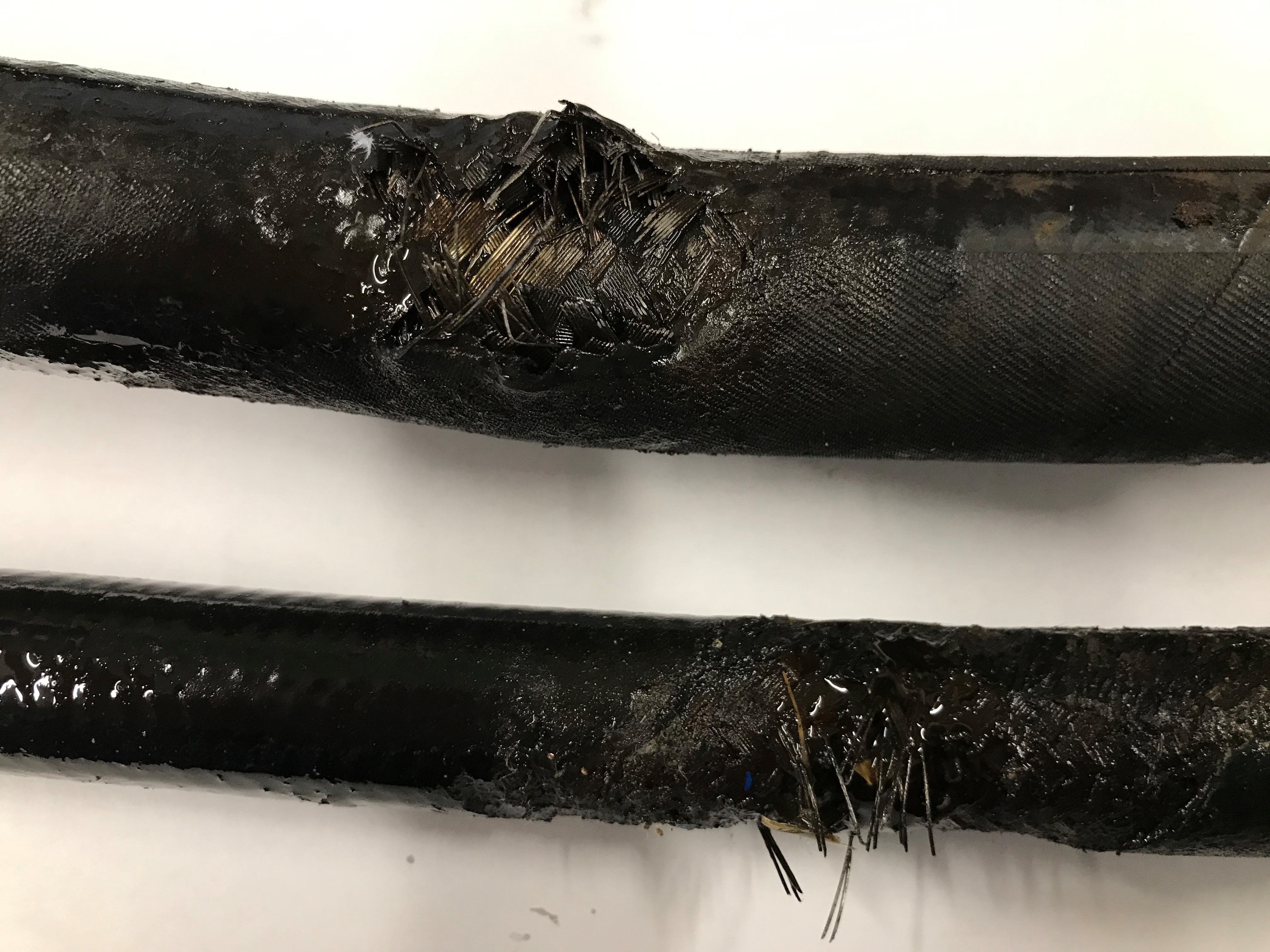
7 Common Causes of Hydraulic Hose Failure
Hydraulic hose failure can result in downtime, leaks, and safety risks. Learn the seven most common causes of hose failure and the preventive measures that help keep hydraulic systems operating safely and efficiently.
7 Common Causes of Hydraulic Hose Failure (And How to Prevent Them)
Hydraulic systems are widely used in construction equipment, industrial machinery, agricultural machines, and many other heavy-duty applications. At the heart of these systems are **hydraulic hoses**, which carry pressurized fluid that powers the entire system.
When a hydraulic hose fails, it can cause **equipment downtime, costly repairs, oil leakage, safety hazards, and loss of productivity**. In many cases, hose failure occurs not because the hose is poor quality, but because of **improper installation, incorrect selection, or poor maintenance practices**.
Understanding the most common causes of hydraulic hose failure can help equipment owners, technicians, and maintenance teams prevent unexpected breakdowns and extend the life of their hydraulic systems.
Below are seven of the most common causes of hydraulic hose failure and practical steps to prevent them.
1. Incorrect Hose Selection
One of the most frequent causes of hydraulic hose failure is **using the wrong hose for the application.
Hydraulic hoses are designed with specific **pressure ratings, temperature limits, and fluid compatibility**. When a hose is used outside its rated capacity, it can weaken over time and eventually rupture.
For example, using a hose that is not rated for the system pressure may lead to **bursting or leakage**, especially when the system experiences pressure spikes.
How to Prevent It
* Always select hoses based on pressure rating, temperature range, and fluid type.
* Follow the manufacturer’s specifications and industry standards.
* Use the correct hose type for the equipment application.
* Consult a professional hydraulic hose technician when unsure.
Proper hose selection is the first and most critical step in ensuring long-lasting hydraulic hose performance.
2. Improper Hose Routing and Installation
Improper routing is another major cause of hose failure. When hoses are installed incorrectly, they may experience excessive bending, twisting, stretching, or vibration.
For instance, a hose installed with too tight of a bend radius can develop internal damage that weakens the reinforcement layers. Twisted hoses can also lead to premature cracking and separation of hose layers.
How to Prevent It
* Ensure hoses follow the recommended minimum bend radius.
* Avoid twisting the hose during installation.
* Provide enough slack to accommodate machine movement.
* Use clamps or guides to support the hose where necessary.
Correct routing helps reduce stress on the hose and significantly extends its service life.
3. Excessive Pressure and Pressure Spikes
Hydraulic hoses are designed to operate within specific pressure limits. When system pressure exceeds the hose rating, the hose may burst or develop internal damage.
Pressure spikes are especially dangerous because they occur suddenly and may exceed the normal operating pressure of the system.
How to Prevent It
* Select hoses with adequate pressure ratings for the system.
* Ensure hydraulic pressure relief valves are functioning properly.
* Monitor system pressure during operation.
* Use hoses designed to withstand pressure surges.
Maintaining pressure within the recommended limits is essential for preventing catastrophic hose failure.
4. Abrasion and External Damage
Hydraulic hoses are often exposed to harsh working environments where they may rub against machine components, metal edges, or rough surfaces.
Over time, this abrasion can wear away the outer cover, exposing the reinforcement layers beneath. Once the reinforcement is damaged, the hose becomes significantly weaker and more likely to fail.
How to Prevent It
* Use **protective sleeves or guards** on hoses exposed to abrasion.
* Ensure hoses are routed away from sharp edges.
* Secure hoses properly to prevent excessive movement.
* Perform regular inspections for visible wear.
Preventing abrasion can dramatically increase the lifespan of hydraulic hoses.
5. Excessive Heat and High Temperatures
Heat is another factor that contributes to hydraulic hose degradation. High temperatures can cause the hose material to harden, crack, or lose flexibility.
Heat can come from engine components, hot hydraulic fluid, or environmental conditions.
Over time, exposure to high temperatures weakens the hose structure and leads to premature failure.
How to Prevent It
* Use hoses designed for high-temperature applications when necessary.
* Keep hoses away from heat sources such as engines and exhaust systems.
* Install heat shields or protective coverings where needed.
* Maintain proper hydraulic fluid temperature within the system.
Controlling temperature exposure is important for maintaining hose durability.
6. Improper Crimping and Poor Fabrication
Hydraulic hose assemblies must be fabricated with precision. Improper crimping can lead to loose fittings, leakage, or complete hose separation during operation.
Using the wrong crimp diameter, incorrect fittings, or incompatible components can compromise the integrity of the hose assembly.
How to Prevent It
* Use the correct crimping machines and specifications.
* Ensure fittings and hoses are compatible.
* Follow manufacturer crimp charts and guidelines.
* Have hose assemblies fabricated by trained professionals.
Professional fabrication ensures that the hose assembly performs safely under high pressure.
7. Lack of Regular Inspection and Maintenance
Many hose failures occur simply because warning signs were ignored.
Hydraulic hoses usually show signs of wear before they fail, such as cracks, leaks, blisters, or damaged fittings. Without regular inspection, these issues may go unnoticed until a sudden failure occurs.
How to Prevent It
* Inspect hydraulic hoses regularly for visible damage.
* Replace hoses that show signs of wear or deterioration.
* Check fittings for looseness or leaks.
* Maintain a preventive maintenance schedule.
Routine inspection is one of the most effective ways to avoid unexpected hose failure.
Conclusion
Hydraulic hose failures can lead to serious operational disruptions, costly repairs, and safety risks. However, many of these failures can be prevented through proper hose selection, correct installation, professional fabrication, and routine maintenance.
By understanding the common causes of hydraulic hose failure and taking proactive steps to prevent them, equipment owners and maintenance teams can improve system reliability, reduce downtime, and extend the lifespan of hydraulic components.
Working with experienced hydraulic service professionals also ensures that hose assemblies are fabricated and installed correctly for maximum performance.
At Gigga Engineering Solutions, we are committed to providing high-quality hydraulic hose fabrication, professional installation, and reliable hydraulic solutions to keep your equipment operating efficiently.
If you require hydraulic hose fabrication, replacement, or troubleshooting services, our team is ready to assist you with reliable and professional solutions.